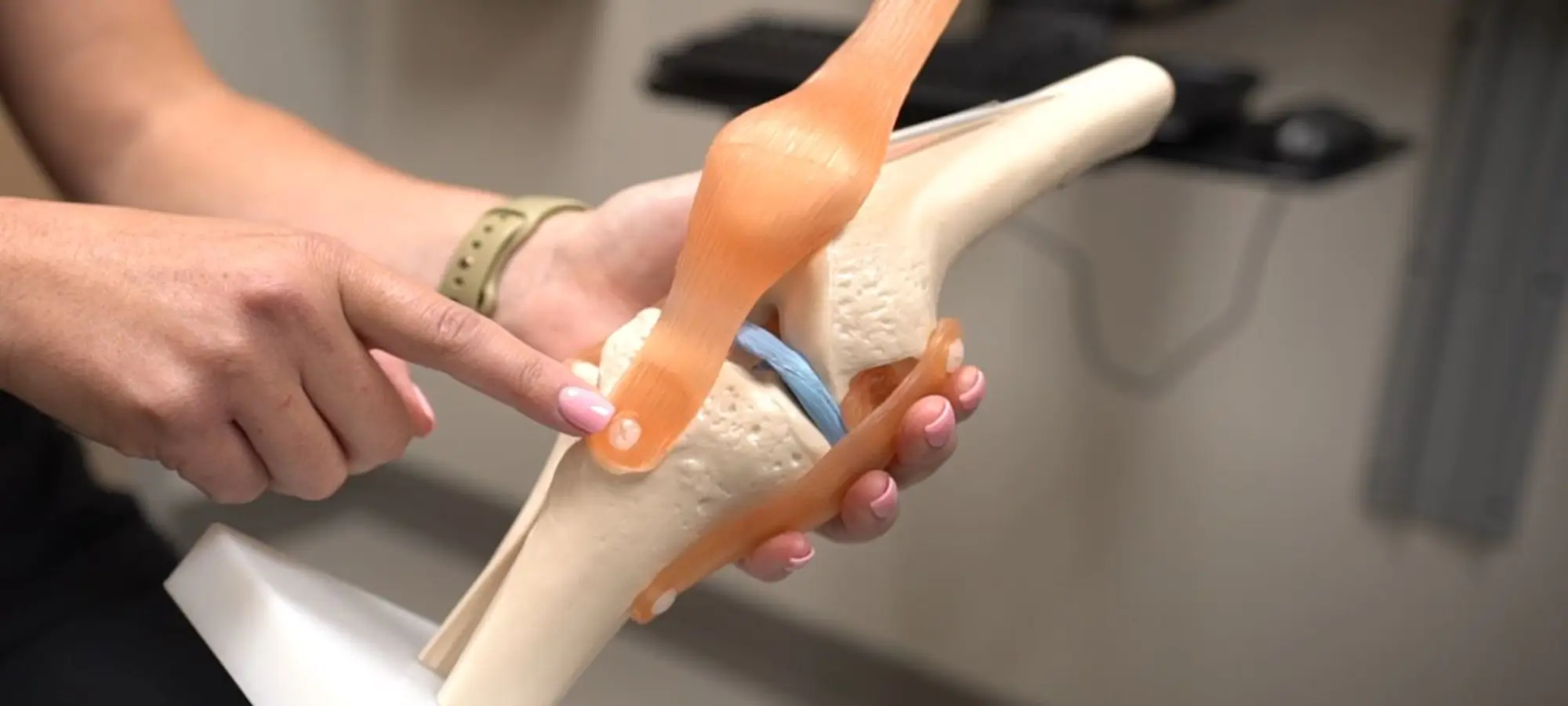
When Foot and Ankle Conditions Require Orthopedic Surgery
In short, you may need a surgical procedure if conservative treatments fail to relieve severe pain and mobility issues.
- Persistent pain and stiffness. Chronic discomfort that limits your mobility often requires surgical intervention.
- Severe arthritis joint damage. Advanced joint degeneration may need an ankle fusion or total ankle replacement.
- High risk of diabetes. Unmanaged blood sugar can lead to severe infections that necessitate amputation.
Knowing the right time to seek orthopedic surgery for the foot and ankle is crucial for regaining your mobility and quality of life. Foot pain or ankle instability can make simple daily activities feel impossible to complete. When conservative methods no longer provide relief, surgical intervention often becomes the most effective path forward.
Understanding your options empowers you to make informed health care decisions. Patients often wonder if their specific condition warrants surgery. This blog explains when specialized medical procedures can help you step forward with confidence.
What are the signs you need orthopedic surgery for the foot and ankle?
Determining the need for surgery requires a comprehensive evaluation by a medical professional. Physicians typically look for specific indicators that show your condition is no longer responding to standard care. You might notice swelling that does not subside, or a noticeable deformity in your joints.
Another clear sign is experiencing intense pain that flares up with vigorous activity or pain that worsens after sitting. Difficulty in walking and tenderness when pressure is applied are also common symptoms that require medical attention. If your pain causes a noticeable limp, it is time to consult with a specialist.
When do bunions become a surgical issue?
Bunions are common deformities that alter the shape of your foot, cause significant pain, and disrupt your gait. Medical experts note that every step places about one-third of your body weight on the bones connecting your toes. This constant pressure can cause a large bump to form at the base of your big toe.
If wide shoes and custom shoe inserts do not relieve the pressure, a surgeon may need to correct the bone alignment. Untreated bunions can lead to other severe foot deformities and ongoing discomfort.
Surgery is usually considered when the pain limits your daily activities and prevents you from wearing normal footwear.
When does arthritis require orthopedic surgery on the foot and ankle?
Arthritis is inflammation of one or more joints that causes debilitating stiffness and pain. Conditions like osteoarthritis and rheumatoid arthritis can slowly destroy the protective cartilage within your joints over time. When conservative treatments do not alleviate the pain, your doctor might suggest a surgical approach to restore function.
What Are Ankle Arthrodesis and Ankle Replacement?
Advanced arthritis often requires an ankle fusion or a total ankle replacement to ease symptoms. Ankle arthrodesis fuses the bones permanently to prevent painful friction, and it is a highly successful procedure. A total ankle replacement uses artificial parts to maintain your natural range of motion and decrease stress on nearby joints.
Can Achilles tendon ruptures heal without orthopedic surgery?
The Achilles tendon is a strong cord that connects your calf muscles directly to your heel bone. A complete tear of this tendon is a severe injury that doctors typically diagnose using a physical examination or an MRI scan. Treatment depends heavily on your age, activity level, and overall health status.
Many young athletes opt for surgery to stitch the torn tendon back together. However, older individuals often find success with nonoperative treatments like immobilization in a walking boot. Physical therapy plays a vital role in recovery, and it helps strengthen your muscles regardless of the chosen treatment path.
How does diabetes affect the need for orthopedic surgery on the foot and ankle?
Patients living with diabetes face unique risks regarding the health of their lower extremities. High blood sugar can cause peripheral nerve damage, meaning you might not feel a cut, sore, or blister on your foot. Poor blood circulation then prevents these small wounds from healing properly and safely.
According to the Centers for Disease Control and Prevention, 80 percent of lower-limb amputations result from complications related to diabetes. An untreated foot ulcer can quickly develop into a severe infection that reaches the underlying bone. In these critical situations, surgeons must amputate the affected tissue to stop the infection from spreading, and to save the patient.
Preventive care is the best way to avoid these drastic outcomes. You should perform daily foot checks at home, attend regular foot screenings, and practice proper wound care. Managing your blood sugar through healthy eating and physical activity is also essential for preventing tissue damage.
What non-surgical treatments occur before orthopedic surgery on the foot and ankle?
Doctors almost always recommend conservative treatments before considering any invasive procedure.
- Physical therapy helps strengthen the muscles supporting your joints, increases your range of motion, and improves your overall flexibility.
- Lifestyle modifications like weight loss can also significantly reduce the stress placed on your lower body.
- Your physician might suggest wearing a custom brace or an ankle-foot orthosis to provide extra stability during movement.
- Injectable corticosteroids like triamcinolone (Zilretta) can offer temporary pain relief for severe inflammation, and oral medications like ibuprofen (Advil) can reduce swelling.
Only after these methods fail to improve your symptoms will your medical team discuss a orthopedic surgery foot and ankle procedure.
If you experience acute trauma, an orthopedic surgery foot and ankle specialist will evaluate your injury immediately. Some severe fractures or dislocations require prompt surgical repair to ensure the bones heal correctly.
Frequently Asked Questions About Orthopedic Surgery on the Foot and Ankle
Many patients have questions about what to expect before, during, and after their procedures. Being well-informed can help ease your anxiety and prepare you for a successful recovery journey. Here are some common inquiries regarding these medical interventions.
Will I need to wear a cast after surgery?
Your doctor will most likely apply a cast after surgery to limit movement in your foot and ankle. This stabilization helps prevent nonunion, and it ensures that your bones heal in the correct alignment. You will also need to keep your foot elevated above the level of your heart to reduce postoperative swelling.
Is physical therapy necessary after surgery?
Yes, physical therapy is a crucial component of your rehabilitation and long-term medical success. A licensed physical therapist will guide you through specific exercises to help you regain your strength. This structured movement will restore your mobility, and it will prevent your joints from becoming permanently stiff.
Where can I find orthopedic surgery for the foot and ankle in Wichita Falls, Texas
At United Regional, we are proud to be the trusted health care provider for Wichita Falls and the surrounding region. Our orthopedic team combines leading-edge technology with compassionate expert care to help you get back to doing what you love. We offer advanced surgical and non-surgical services designed to reduce pain, heal injuries, and restore your mobility.
Our highly trained, board-certified surgeons provide extensive diagnosis and specialized treatment plans for every single patient. Whether you need joint revision, trauma care, or physical therapy, we are here to support your healing journey. We are wholeheartedly dedicated to fostering a healthy, thriving community right here at home.
If you are experiencing severe orthopedic pain, do not wait to seek professional help from our dedicated staff. To schedule an appointment with our specialists, please call 940-764-5400 today.
United Regional Physician Group also provides fast, expert care for orthopedic injuries at Orthopedics Express; simply walk in, call for an appointment, or schedule through MyChart
Musculoskeletal Symptom Checker
Easily assess your symptoms with our advanced Symptom Checker tool within MyChart. Please note that back and head injuries are not seen at Orthopedics Express.