

Simple Tips to Help Prevent Falls
For older adults, falls are one of the most serious health and safety risks. They can lead to broken bones, head injuries, and a loss of independence.
Fall Prevention Checklist
According to the Centers for Disease Control and Prevention, more than one in four adults age 65 and older reports falling each year.
Areas where falls typically happen:
Bathrooms
- Use non-slip mats in showers and bath areas
- Install grab bars near the toilet and in the shower
- Keep floors dry
- Utilize a shower chair
- Install a raised toilet seat
Kitchen
- Keep floors clean and dry
- Store frequently used items within easy reach
- Use non-slip rugs or mats
- Avoid carrying heavy or bulky items that may obstruct your view
- Keep electrical cords away from walkways
Bedrooms
- Secure rugs and carpets
- Install nightlights
- Keep pathways clear of clutter and obstacles
- Keep a chair nearby for dressing
- Arrange furniture to allow easy movement
Outdoor Paths & Walkways
- Ensure pathways are clear of debris
- Repair any cracks or uneven surfaces on walkways
- Install handrails on slopes
- Use non-slip outdoor mats
Stairs & Steps
- Install handrails on both sides of stairs
- Keep stairs clutter-free
- Ensure adequate lighting at night
- Consider Installing non-slip, rubber tread on stairs
- Wear supportive footwear
Remember to keep a phone and emergency contact list within reach at all times.
Get started; find care today.



Simple Tips to Prevent Falls
As people age, changes in strength, vision, hearing, balance, and reaction time can all increase risk. Even people who are normally active may feel weak after an illness, surgery, or medication change. The good news is that many falls can be prevented with a few practical steps.
With awareness, regular check-ins, and a few practical changes, you can take meaningful steps to reduce risk and stay safer, more independent, and more confident.
- Speak up about dizziness, weakness, or feeling unsteady. Tell a healthcare provider or caregiver if you do not feel steady on your feet.
- Review medications regularly. Ask a doctor or pharmacist to look at prescription and over-the-counter medicines for side effects such as dizziness, sleepiness, or confusion.
- Build strength and balance. Simple activities and exercises that improve leg strength and balance can lower fall risk. Always check with a health care provider before starting something new.
- Keep check-ups up to date. Changes in eyesight and hearing can affect balance, depth perception, and awareness.
- Stand up slowly. Getting up too fast from a bed or chair can cause lightheadedness and increase the chance of falling.
- Make the home safer. Reduce clutter, improve lighting, secure rugs, add grab bars where needed, and keep commonly used items within reach.
- Choose safe footwear and use assistive devices if needed. Supportive, non-slip shoes can help with stability. If a cane or walker has been recommended, use it consistently.
- Do not ignore a fall. Even if there is no obvious injury, a fall can be an important warning sign and should be shared with a health care provider.
For more information on fall safety, contact:
Laura Pressler, RN, TCRN
[email protected]
Orthopedics Express
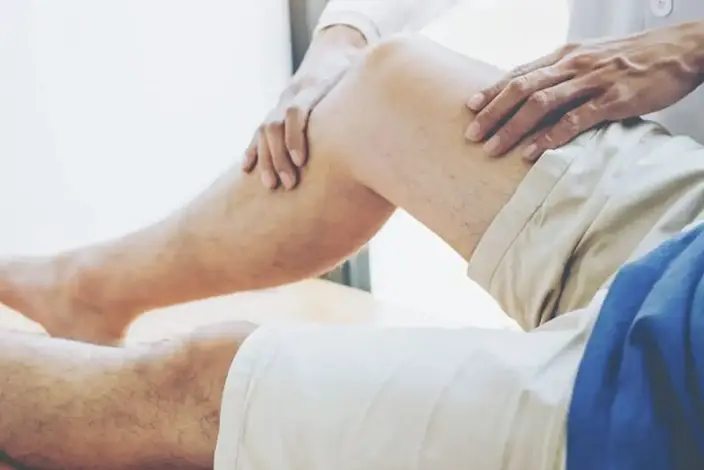
At the Orthopedics Express walk-in clinic, we provide fast, expert care for orthopedic injuries — like sprains, strains, broken bones, and joint pain.

More than Healthcare, A Commitment to Community
Our commitment to the community goes beyond providing medical services. United Regional is here to promote healthy and thriving residents.

Get Care Now
Need care today? Find help at CarePlus for common illnesses and injuries.