
How to Choose the Right Electrophysiologist for Your Heart Condition
Finding a cardiologist specializing in electrophysiology is a critical step toward managing your heart rhythm disorder and improving your well-being. In short,
- An electrophysiologist (EP) is a cardiologist specializing in electrophysiology — the diagnosis and treatment of complex heart rhythm disorders like AFib.
- Choosing the right specialist means evaluating their experience, hospital technology, and ability to communicate clearly with you.
- The right EP offers advanced treatment options that can significantly reduce your stroke risk and improve your quality of life.
If your doctor has recommended you see a cardiologist specializing in electrophysiology, you are probably dealing with a heart rhythm disorder. Heart rhythm conditions like atrial fibrillation (AFib) affect millions of people and can lead to serious complications, including stroke and heart failure, when left unmanaged.
At United Regional, we believe that finding the right specialist is one of the most important steps in your care journey. This guide explains what an EP does, why AFib patients often need one, and exactly what to look for when making your choice.
What is a cardiologist specializing in electrophysiology?
An EP is a cardiologist who has completed additional, highly specialized training in the heart's electrical system. According to the Cleveland Clinic, while a general cardiologist diagnoses and treats a wide range of heart conditions, an EP focuses specifically on how electrical signals are generated, conducted, and disrupted within the heart.
That distinction matters because heart rhythm disorders are complex. They require precise mapping, specialized diagnostic tools, and procedures that most general cardiologists do not perform. If your arrhythmia is persistent, worsening, or hasn't responded well to standard treatment, an EP is often the right next step.
Why do AFib patients often need an electrophysiologist?
According to the Centers for Disease Control and Prevention (CDC), atrial fibrillation is the most common heart arrhythmia.
In AFib, the heart's upper chambers, the atria, quiver chaotically instead of beating in a coordinated rhythm. This disrupts efficient blood flow and creates conditions where blood can pool and form clots, significantly raising your stroke risk.
AFib can cause palpitations, shortness of breath, fatigue, dizziness, and chest discomfort. However, some people experience no symptoms at all, which makes regular monitoring essential — especially if you have known risk factors like high blood pressure, diabetes, sleep apnea, obesity, or a family history of heart disease.
A cardiologist specializing in electrophysiology can:
- Precisely map the source of the irregular electrical signals in your heart
- Recommend the most appropriate treatment for your specific type of AFib
- Perform advanced procedures that are not available in a general cardiology practice
- Manage your long-term care and adjust your plan as your condition evolves
What to Look for When Choosing an Electrophysiologist
Not all EPs are the same. Here are the most important factors to evaluate before you commit to a specialist.
Advanced Diagnostic Capabilities
A qualified EP should have access to, and experience with, diagnostic tools well beyond a standard electrocardiogram. These include:
- Holter monitors and event recorders to capture heart rhythms during normal daily activity
- Implantable loop recorders for long-term rhythm monitoring
- Electrophysiology studies to map the precise electrical pathways of your heart
These tools help pinpoint exactly where the abnormal signals originate, allowing for a more accurate diagnosis and a more targeted treatment plan.
Access to Advanced Treatment Options
One of the clearest advantages of seeing a cardiologist specializing in EP is access to treatments that go beyond medication management. An experienced EP should be able to offer:
- Antiarrhythmic medications and anticoagulants: carefully tailored to your individual needs and monitored for side effects
- Electrical cardioversion: a controlled procedure that uses a brief electrical shock to reset your heart's rhythm
- Catheter ablation: a minimally invasive procedure that creates small, precise scars in the heart tissue responsible for the abnormal electrical signals, effectively blocking those pathways
- Left atrial appendage occlusion: an option for patients who cannot safely take long-term blood thinners, which closes off the area where most AFib-related clots form
- Pacemaker implantation: used when AFib causes the heart to beat too slowly
Hospital Affiliation and Technology
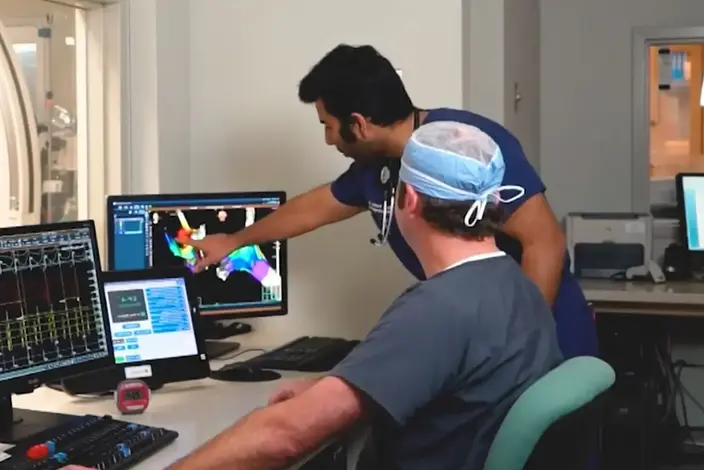
The facility where your EP practices is just as important as the physician themselves. United Regional provides expert cardiac care , modern electrophysiology lab equipment, advanced mapping and imaging systems, and a skilled support team that includes specialized cardiac nurses and technicians.
Clear Communication and Shared Decision-Making
Your relationship with your EP should feel like a genuine partnership. A good EP will explain your diagnosis in plain language, walk you through all available treatment options with the risks and benefits, and make sure your preferences and concerns are central to every decision.
Referrals and Patient Feedback
Your primary care physician or general cardiologist is a valuable starting point for finding a trusted EP, referring you to respected specialists in the local medical community.
Patient reviews can also offer useful insight into how an EP communicates, their bedside manner, and the overall experience of their practice.
Find a Cardiologist Specializing in Electrophysiology in North Texas
Atrial Fibrillation is a serious heart condition that requires expert care. Choosing a highly qualified electrophysiologist is essential for diagnosing and treating this complex arrhythmia. An EP can offer advanced treatment options to significantly improve your quality of life and reduce the risk of severe outcomes like stroke.
By being proactive and informed, you can partner with your healthcare team to achieve the best possible heart health. If you are experiencing symptoms of AFib or need to consult with a heart rhythm specialist, call United Regional at (940) 764-7000 to schedule a consultation.
Frequently Asked Questions
A cardiologist is a heart specialist who diagnoses and treats a wide range of cardiovascular conditions. An EP is a cardiologist who has completed additional fellowship training focused specifically on the heart's electrical system and rhythm disorders.
If you have a complex arrhythmia like AFib, an EP offers a more specialized level of expertise and a broader set of treatment tools.
In most cases, yes. Your primary care physician or general cardiologist will typically refer you to an EP after identifying a heart rhythm issue.
However, if you are experiencing concerning symptoms, do not wait — call your doctor promptly to discuss whether a referral is right for you.
Catheter ablation is a well-established, minimally invasive procedure performed by trained EPs. Like all medical procedures, it carries some risks, which your EP will review with you in detail.
For many patients, it offers a meaningful reduction in AFib episodes and a significant improvement in quality of life. Your EP will help you determine whether it is the right option for your specific situation.
Get started; find care today.



Electrophysiology
Expert electrophysiology services for diagnosing and treating abnormal heart rhythms. Find specialized cardiac care at United Regional Health Care System.

Cardiac Care
Trust United Regional Health Care System for your cardiac needs with leaders in heart and vascular care. Advanced diagnostics, skilled surgeons, and compassionate staff.
Cardiac Catheterization
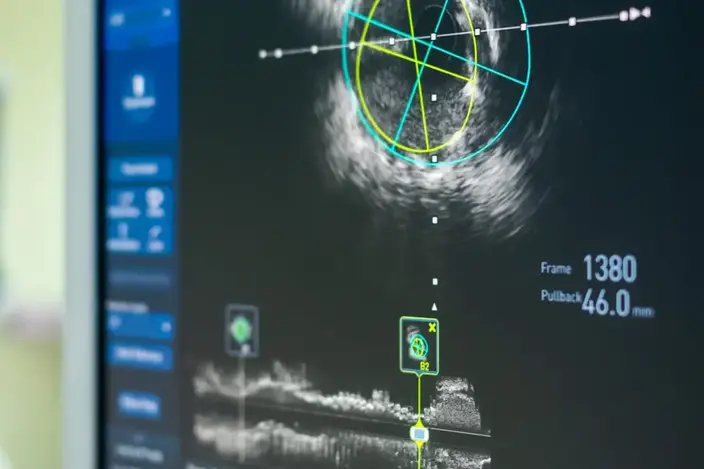
Expert cardiac catheterization procedures for accurate diagnosis and effective treatment of heart conditions are offered at United Regional Health Care System.