
How Cardiac Care Specialists Diagnose and Treat Heart Disease
When you partner with dedicated heart hospitals near you, you gain access to a full spectrum of diagnostic and treatment services designed to protect you from heart disease. In short,
- Heart disease often develops silently, making early diagnosis through advanced testing critical to effective treatment.
- Heart hospitals use a comprehensive range of tools — from ECGs to cardiac catheterization — to pinpoint your exact condition.
- Treatment options range from lifestyle changes and medication to minimally invasive procedures and surgery, all tailored to your needs.
Heart disease can progress for years without any noticeable symptoms. You might feel perfectly healthy, even as issues like high blood pressure or high cholesterol advance silently. By the time chest pain or other symptoms arise, significant damage may have already occurred. This is why early detection is so important.
Understanding Heart Disease: What It Is and Why It Happens
Heart disease is not a single condition. According to the National Heart, Lung, and Blood Institute, it is a broad term for several disorders affecting the heart's structure and function.
Common types include:
- Arrhythmias : Irregular heartbeats that can be too fast, too slow, or erratic, disrupting the heart's pumping efficiency.
- Coronary artery disease (CAD): The most common form, caused by plaque buildup in the arteries that supply blood to the heart muscle.
- Heart failure: A condition where the heart cannot pump enough blood to meet the body's needs, leading to fatigue, swelling, and shortness of breath.
- Valvular heart disease: Problems with one or more of the heart's valves, which disrupt normal blood flow through the chambers.
What raises your risk?
Some risk factors, like age and family history, are beyond your control. But many of the most significant contributors are modifiable with the right support and guidance.
- Chronic stress: Contributes to elevated blood pressure and systemic inflammation over time.
- Diabetes: Elevated blood sugar damages blood vessels and the nerves that help regulate heart function.
- High blood pressure: Damages artery walls over time, making them less elastic and restricting blood flow.
- High LDL cholesterol: Drives plaque buildup in the arteries, a process called atherosclerosis.
- Obesity: Excess weight increases the risk of high blood pressure, high cholesterol, and type 2 diabetes simultaneously.
- Physical inactivity: A sedentary lifestyle worsens nearly every major cardiovascular risk factor.
- Smoking: Tobacco chemicals damage blood vessels, raise blood pressure, and reduce oxygen delivery to the heart.
Understanding these risk factors is your first step toward prevention, and your heart hospital team can help you address each one.
Recognizing the Warning Signs of Heart Disease
Heart disease symptoms vary widely from person to person. Some people experience classic warning signs, while others may notice subtler symptoms like unusual fatigue, nausea, or jaw pain that are easy to dismiss.
Common symptoms to watch for include:
- A fluttering, pounding, or rapid heartbeat (palpitations)
- Chest pain, pressure, tightness, or a squeezing sensation that may radiate to the arm, neck, jaw, back, or stomach
- Dizziness, lightheadedness, or episodes of fainting
- Nausea, indigestion, or cold sweats, especially alongside chest discomfort
- Persistent, unexplained fatigue that does not improve with sleep
- Shortness of breath during activity or at rest
- Swelling in the legs, ankles, or feet
When to call 911
Some symptoms require emergency medical attention, not just a scheduled appointment. Call 911 immediately if you experience any of the following:
- A rapid or irregular heartbeat accompanied by dizziness or chest pain
- A sudden, severe shortness of breath
- Chest pain that radiates to your arm, back, jaw, or stomach
- Fainting or loss of consciousness
Sudden, severe chest pain that lasts more than a few minutes or returnsDo not drive yourself to the hospital. Emergency personnel can begin life-saving treatment en route and are trained to respond to cardiac emergencies in real time.
How Heart Hospitals Near You Diagnose Heart Disease
Accurate diagnosis is the foundation of effective heart care. When you visit heart hospitals near you, your care team will gather a complete picture of your cardiovascular health using a combination of your medical history, a physical exam, and targeted diagnostic tests.
Electrocardiogram (ECG or EKG)
This quick, painless test records your heart's electrical signals. It can detect arrhythmias, signs of a previous heart attack, and structural irregularities. An ECG is often one of the first tests performed and provides immediate, valuable information about your heart's rhythm and activity.
Echocardiogram
Using sound waves, an echocardiogram produces detailed, moving images of your heart's chambers and valves. It shows how well your heart is pumping blood and can identify areas of muscle damage or poor circulation. This is a non-invasive and highly informative test.
Stress Test
A stress test evaluates how your heart performs under physical exertion, typically by walking on a treadmill. Your heart rate, blood pressure, and ECG are monitored throughout.
For patients who cannot exercise, medication can simulate the heart's response to exertion. This test is especially useful for identifying blockages that only appear when the heart is working hard.
Blood Tests
Comprehensive blood panels can reveal important cardiac markers, including:
- Cholesterol and triglyceride levels, which indicate arterial risk
- C-reactive protein, which measures inflammation levels associated with cardiovascular risk
- Troponin, a protein released when the heart muscle is damaged, which helps confirm or rule out a heart attack
Cardiac Catheterization and Angiography
This procedure provides a direct view of your coronary arteries. A thin, flexible catheter is guided through a blood vessel in the wrist or groin to the heart, where contrast dye is injected to reveal blockages or narrowed segments. According to the American Heart Association, it is one of the most definitive diagnostic tools for coronary artery disease.
Cardiac CT Scan or MRI
These advanced imaging tests produce detailed cross-sectional images of the heart and surrounding blood vessels. They help identify structural abnormalities, arterial blockages, and damage to the heart muscle with exceptional clarity.
Together, these tools allow cardiologists to pinpoint the exact nature and severity of your condition, ensuring your treatment plan is built on complete, accurate information.
How Heart Hospitals Near You Treat Heart Disease
Treatment for heart disease is never one-size-fits-all. Your care plan will reflect your specific diagnosis, your overall health, and your personal goals. Heart hospitals near you offer a full spectrum of options, from conservative management to advanced surgical procedures.
Lifestyle Modifications
For many patients, lifestyle changes form the cornerstone of both prevention and treatment.
- Heart-healthy eating: Focus on vegetables, fruits, whole grains, lean proteins, and healthy fats.
- Regular physical activity: Aim for at least 150 minutes of moderate-intensity aerobic exercise per week, supplemented by strength training twice weekly.
- Smoking cessation: Quitting smoking is one of the most impactful steps you can take for your heart, at any age.
- Stress management: Techniques like meditation, deep breathing, and regular physical movement help reduce the cardiovascular burden of chronic stress.
- Weight management: Even modest weight loss can meaningfully improve blood pressure, cholesterol, and blood sugar levels.
Medications
When lifestyle changes alone are not sufficient, medications play a vital role in managing heart disease. Common options include medications to lower cholesterol, reduce blood pressure, ease the heart's workload, relieve fluid retention, and reduce the risk of blood clots.
All medication decisions are made in partnership with your care team based on your individual needs and health history.
Medical Procedures and Surgeries
When lifestyle changes and medications are not enough to restore healthy heart function, your care team may recommend a procedural or surgical approach.
Angioplasty and Stenting
This minimally invasive procedure opens narrowed or blocked coronary arteries using a balloon catheter, often followed by a stent to keep the artery open and blood flowing freely.
Coronary Artery Bypass Graft (CABG) Surgery
During this procedure, healthy blood vessels from another part of the body are used to create new pathways around blocked coronary arteries, restoring circulation to the heart muscle.
Pacemaker or Implantable Ccardioverter-Defibrillator Implantation
These small devices are placed under the skin to regulate dangerous heart rhythms. A pacemaker maintains a steady, appropriate heartbeat, while an ICD delivers a corrective shock if a life-threatening arrhythmia occurs.
Heart Valve Repair or Replacement
This is the surgical correction of valves that are not opening or closing properly, restoring normal blood flow through the heart's chambers.
Where Can I Find Heart Hospitals Near Me in North Texas?
If you are searching for heart hospitals near you, proximity matters, but so does the quality and depth of care available to you.
At United Regional, we offer a full spectrum of cardiovascular services. From advanced imaging and non-invasive testing to interventional procedures and cardiac surgery, our specialists are equipped to manage even the most complex heart conditions.
Call us today at (940) 764-7000 to connect with our cardiovascular care team.
Below, we’ve compiled answers to some of the most commonly asked questions about United Regional cardiovascular services. As one of the leading heart hospitals near you, we want to help you make informed decisions about your care.
Frequently Asked Questions
You should schedule an appointment with a cardiologist if you experience persistent chest pain or pressure, unexplained shortness of breath, palpitations, or if your primary care doctor identifies risk factors like high blood pressure or high cholesterol that require specialized management.
The earlier you seek evaluation, the more treatment options are available to you.
In some cases, particularly with early-stage coronary artery disease, aggressive lifestyle changes, and medication can slow or partially reverse the buildup of arterial plaque.
More advanced disease typically requires ongoing management rather than reversal. Working closely with your care team to control risk factors is the most effective strategy for protecting your long-term heart health.
Get started; find care today.



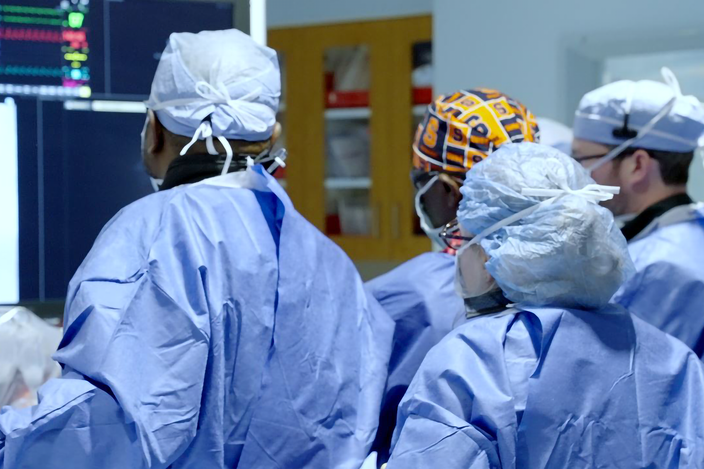
Cardiology
With nationally recognized heart care, we provide comprehensive cardiology services — from non‑invasive tests to advanced procedures — so you get the care that fits your needs.
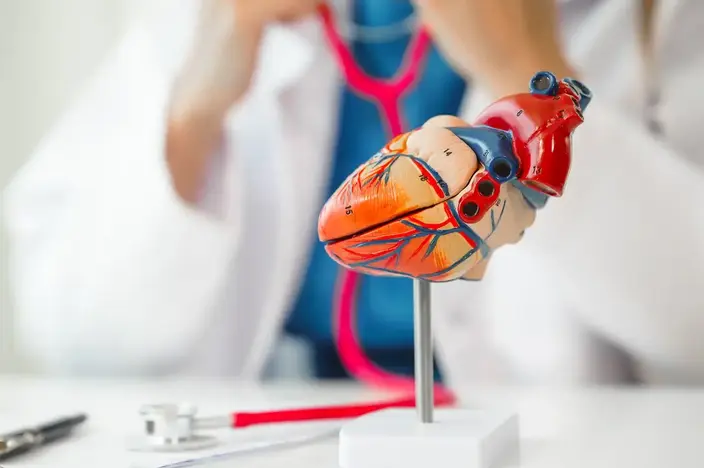
Cardiac Academy
Recover from a heart event with the support of United Regional’s Cardiac Academy. Get the education and exercise you need for a healthier lifestyle.
Heart Failure
Heart failure: a growing health concern in the U.S. Explore the causes, symptoms, and comprehensive outpatient disease management options.