
Conditions That Can Be Treated with Plasmapheresis
Get started; find care today.



For individuals facing certain complex medical conditions, plasmapheresis can offer a path toward relief and improved well-being.
In short,
- Autoimmune Disorders: Plasmapheresis is often used to remove harmful antibodies from the blood, providing relief for patients with conditions such as Guillain-Barré syndrome, myasthenia gravis, and lupus.
- Neurological Conditions: It can help manage neurological diseases by addressing the root cause of abnormal immune responses affecting the nervous system.
- Severe Illnesses: For critical cases like certain kidney diseases or blood disorders, plasmapheresis can be a lifesaving treatment option.
When your immune system turns against your own body, the effects can be sudden, frightening, and difficult to control. For many people facing autoimmune flare-ups, nerve disorders, or specific blood diseases, a therapy called plasmapheresis can make a profound difference.
If you have been searching for plasmapheresis treatment near you, this guide walks you through how the treatment works, the specific conditions it treats, what you can expect from your care, and how to find compassionate, expert support close to home in North Texas.
What Is Plasmapheresis?
Plasmapheresis, also known as plasma exchange, is a therapeutic procedure that filters your blood to remove harmful substances circulating in your plasma. During treatment, a specialized machine gently draws your blood, separates the liquid plasma from your blood cells, and removes the damaging components within it.
It also carries antibodies.
According to the Cleveland Clinic, plasma is the yellowish, fluid part of your blood, making up about 55% of its total volume. It carries your blood cells, nutrients, hormones, and proteins throughout your body. In certain diseases, the immune system produces malfunctioning antibodies that attack healthy tissue, and these are exactly what plasmapheresis targets.
After the harmful plasma is separated, your healthy blood cells are mixed with a replacement fluid, such as albumin or donated plasma, and returned to your body.
This process quickly removes damaging substances from the bloodstream, helping to reduce inflammation, slow disease progression, and relieve symptoms when rapid intervention is critical.
Why Plasmapheresis Is Used
In many autoimmune and neurological conditions, harmful antibodies and proteins build up in the plasma and trigger ongoing inflammation and tissue damage. Standard medications can take weeks to work, and during severe flare-ups, that delay can be dangerous.
Plasmapheresis offers a faster path forward. By physically removing these harmful substances from your blood, it can rapidly lower their levels when they accumulate to dangerous degrees.
Doctors often turn to plasma exchange when other treatments are not enough, when symptoms escalate quickly, or when stopping disease progression urgently is essential to protecting your health.
Conditions That Can Be Managed with Plasmapheresis Treatment Near You
Plasmapheresis treats a wide variety of immune and nervous system diseases. While your doctor will determine whether it is right for your specific situation, the following conditions frequently respond well to plasma exchange.
Neurological Disorders
According to the National Institutes of Health (NIH), some of the most common and effective uses of plasmapheresis involve conditions where antibodies attack the nervous system. By removing these antibodies, plasma exchange can restore strength, sensation, and function.
Some neurological conditions that may benefit from plasma exchange include:
- Chronic inflammatory demyelinating polyneuropathy (CIDP): Plasmapheresis helps reduce the antibodies responsible for the nerve damage characteristic of this condition.
- Guillain-Barré syndrome (GBS):Plasmapheresis can speed recovery and reduce the severity of symptoms in this condition where the immune system attacks the nerves.
- Myasthenia gravis (MG): Plasma exchange is often used during severe flare-ups of this chronic disorder to quickly improve muscle strength.
Autoimmune Diseases
When the immune system mistakenly attacks the body's own tissues, plasmapheresis can help manage severe flare-ups by clearing the damaging antibodies driving the inflammation.
- Systemic lupus erythematosus (lupus):For select patients, plasma exchange can be valuable during severe lupus flares that affect vital organs.
- Vasculitis: This group of disorders causes inflammation of blood vessels. In select, severe cases, plasmapheresis can help remove the antibodies fueling that inflammation, protecting affected tissues.
Blood Disorders
Certain blood conditions require plasma exchange as a central part of a comprehensive treatment plan.
- Thrombotic thrombocytopenic purpura (TTP): A rare but serious blood disorder that causes clots to form in small blood vessels throughout the body, for which plasmapheresis is a primary, often life-saving treatment.
Kidney-Related Conditions
Plasmapheresis can also benefit specific kidney diseases by removing the antibodies that damage kidney tissue or threaten a transplanted organ.
- Antibody-mediated transplant rejection: Plasmapheresis can help reduce the antibodies responsible for transplant rejection and protect the organ.
- Goodpasture syndrome: Plasma exchange helps remove harmful antibodies that attack the kidneys and lungs, limiting further damage.
How Plasmapheresis Works
Understanding the process can help ease any anxiety you may feel about treatment. Plasmapheresis uses your own circulatory system to deliver targeted therapy, and our team prioritizes your comfort and safety at every step.
Your blood is drawn from a vein — often in your arm or through a central line — and flows into the plasmapheresis machine. Inside, either a filter or centrifuge, a device that spins blood to separate its components, carefully separates your plasma from your blood cells.
The harmful plasma is discarded, while your healthy blood cells are preserved. Those cells are then combined with a replacement fluid to restore your blood volume before returning gently to your body. The entire process is continuous, controlled, and closely monitored throughout.
What to Expect During Treatment
Knowing what each stage of treatment involves can help you feel prepared and confident.
Preparing for Your Session
Before your first session, our team reviews your medical history, performs a physical exam, and runs blood tests to ensure you are ready for treatment.
We may place a vascular access point, such as an IV line or central venous catheter, to make the procedure smoother. Your nurses will also offer guidance on hydration and nutrition to help prevent side effects.
During the Procedure
Taking place in a comfortable setting, most sessions last between two and four hours. Throughout the procedure, our nurses monitor your vital signs and check on your comfort as the machine draws, processes, and returns your blood.
After Your Session
Once treatment is complete, we dress your access site and have you rest under observation. Feeling tired afterward is common, so we recommend arranging a ride home.
Our team will provide clear aftercare instructions, including how to care for your catheter site, and we encourage you to reach out with any questions that come up.
Benefits and What You Can Expect
Plasmapheresis can offer significant relief and a meaningful improvement in quality of life. By removing the substances driving your condition, it can reduce symptoms and help stabilize your health.
Because plasma exchange works quickly, many patients notice improvement within days. Depending on your condition, this may include reduced muscle weakness, less pain, improved sensation, or a welcome boost in energy.
Beyond symptom relief, plasmapheresis can halt disease progression, prevent further tissue damage, and in some cases reduce your reliance on other medications.
Results vary from person to person, and your care team will talk with you openly about what you can realistically expect based on your diagnosis and overall health.
Understanding the Risks
Plasmapheresis treatment near you is generally very safe, but like any medical procedure, it carries some potential risks. We believe in discussing these openly so you can make informed decisions. Our experienced team is prepared to prevent, recognize, and manage any issues quickly.
Most side effects are mild and temporary:
- Temporary discomfort:You may feel dizzy or lightheaded, or notice chills or tingling in your lips or fingers due to changes in circulation and calcium levels.
- Low blood pressure: A drop in blood pressure can occasionally cause faintness, but our continuous monitoring allows us to respond right away.
- Access site issues: Strict hygiene protocols help minimize the small risk of bruising, bleeding, or infection where the catheter is placed.
- Allergic reactions: In rare cases, a patient may react to the replacement fluid, and our team is fully equipped to manage such reactions promptly.
To keep you safe, United Regional relies on a highly trained medical team, advanced plasmapheresis technology, strict sterilization protocols, and constant monitoring of your vital signs and well-being. We also encourage open communication. If anything feels uncomfortable, tell us immediately so we can adjust and keep you at ease.
Recovery and Long-Term Care
Plasmapheresis is rarely a one-time treatment. For most conditions, it involves a series of sessions, with the frequency depending on your diagnosis and how well your body responds.
Immediately after each session, you will rest under observation, and we will guide you on caring for your access site, replenishing fluids, and eating well. We recommend avoiding strenuous activity or heavy lifting on the side of your access point.
Over the long term, regular follow-up appointments allow us to monitor your progress and adjust your treatment plan as needed. We work closely with your broader healthcare team to ensure seamless, coordinated care. Your health is a partnership, and we are committed to supporting you for the long haul.
Is Plasmapheresis right for you?
Deciding on any medical treatment is a significant step, and you should never have to make it alone. During a consultation, our specialists will review your medical history, discuss your symptoms, and answer your questions.
We will explain how plasmapheresis treatment near you could benefit you, walk you through the process, and outline the outcomes you can expect. Then, we build a personalized care plan designed around your needs.
Plasmapheresis Treatment Near You in North Texas
At United Regional, we are dedicated to providing the North Texas community with advanced medical treatments and unwavering support.
We understand that managing a serious health condition can be overwhelming, and our compassionate team is here to walk alongside you and your family every step of the way.
Our commitment is to combine leading-edge technology with personalized attention, ensuring you receive the highest quality care. Speak to your primary care provider for more information.
To schedule with a United Regional Primary Care Provider call 940-764-5200
Frequently Asked Questions
Plasmapheresis is most commonly used for neurological disorders like Guillain-Barré syndrome and myasthenia gravis, in severe cases of autoimmune diseases such as lupus and vasculitis, blood disorders like TTP, and certain kidney conditions. It is especially valuable when symptoms escalate quickly or other treatments have not provided enough relief.
Because plasma exchange physically removes harmful antibodies from your blood, many patients notice improvement within days. The exact timeline depends on your specific condition and overall health, and your care team will discuss realistic expectations with you.
Most patients require a series of sessions rather than a single treatment. The number and frequency depend on your diagnosis and how well your body responds.
Your specialist will create a personalized treatment schedule and adjust it during regular follow-up appointments to ensure the best possible results.
Neurology
Our neurologists diagnose and treat brain, spine, and nerve disorders — from migraines to memory loss — with personalized, compassionate care.
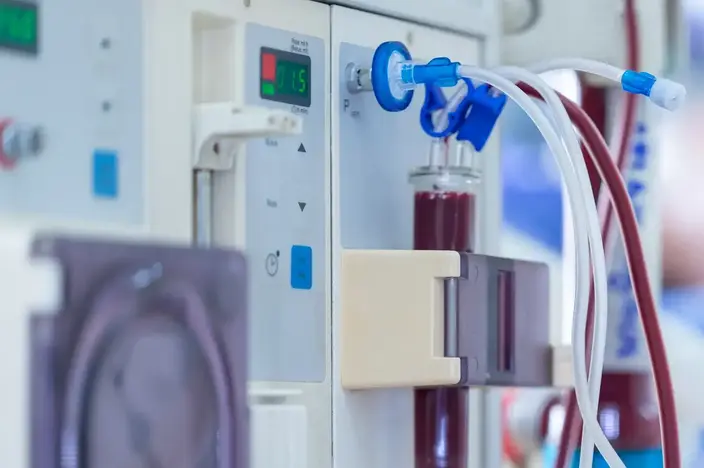
Nephrology
United Regional’s nephrology team treats kidney disease, infections, stones, and hypertension-related issues, and provides inpatient dialysis care.

Primary Care
Primary care is whole-person care that supports your physical, mental, and emotional health through prevention, diagnosis, treatment, and long-term wellness. Take your first step to long-term health.