
What is life like during chemotherapy?
Starting chemotherapy can bring many questions and uncertainties. If you or a loved one are preparing for treatment, you likely want to know more about side effects, support resources, and impacts to your daily routine.
In short,
- Chemotherapy uses powerful medications to specifically target and destroy fast-growing cancer cells in your body.
- Proper preparation and open communication with your care team are the keys to effectively managing treatment and side effects.
- Support resources are readily available to help you navigate your unique chemotherapy journey with confidence and peace of mind.
At United Regional, we are wholeheartedly dedicated to fostering a healthy, thriving community. We believe that informed patients feel more confident and prepared for the road ahead. Our dedicated team is here to support you every step of the way, ensuring you always feel understood, respected, and cared for.
What is chemotherapy near me?
Chemotherapy is a powerful medical therapy designed to attack and eliminate cancer cells throughout your body, and it stands as a cornerstone of modern cancer care. Thanks to treatments like this, the number of cancer survivors continues to grow. According to the American Cancer Society, there were nearly 18.1 million cancer survivors in the United States as of January 2025, and this number is projected to exceed 22 million by 2035.
By knowing what to expect, you can approach your treatment with greater confidence.
Understanding Chemotherapy Treatment
Chemotherapy involves strong medications designed to attack and eliminate fast-growing cancer cells. Depending on your specific care plan, these medications can be administered intravenously (through a vein), orally (by mouth as a pill), or topically (applied directly on the skin). Your specific chemotherapy type, dosage, and schedule are carefully tailored to your individual cancer diagnosis, the stage of the disease, and your overall physical health.
Your dedicated care team will explain your personalized plan in detail, ensuring you understand every single step. Chemotherapy is very often part of a broader, comprehensive cancer treatment plan. It may be combined with surgery, radiation therapy, or advanced immunotherapy, all working seamlessly together to achieve the absolute best possible outcome for your health.
Common Goals of Chemotherapy
- Cure: The primary goal for many patients is to completely eliminate cancer cells from the body, leading to a full recovery and long-lasting remission.
- Control: When a cure isn't possible, chemotherapy can be used to shrink tumors and slow the cancer's growth. This helps improve your quality of life and may extend it.
- Palliation: In some specific cases, the goal is to relieve severe symptoms caused by the cancer, such as pain or pressure. This approach focuses entirely on enhancing your comfort and overall well-being.
How can I prepare for chemotherapy near me?
Understanding what to expect with Chemotherapy helps you plan ahead, manage your treatment effectively, and prioritize your well-being.
Before Your First Appointment
Before beginning chemotherapy, your healthcare team will perform a thorough health evaluation to make sure you are ready for treatment and to set a baseline for your overall health.
This may include:
- Detailed blood tests
- Imaging scans
- Physical exams
You will also receive detailed instructions from your nurses and doctors. They will guide you on matters such as dietary restrictions, which medications to temporarily avoid, and any other special preparations needed before your first session.
Practical Preparations for Life During Chemotherapy
Getting your home and life ready before treatment begins can significantly reduce your daily stress. Consider these practical steps:
- Arrange transportation: Ask a trusted friend or family member to drive you to and from your appointments, as you will likely feel tired after your infusions.
- Organize support: Allow friends and community members to help with daily tasks so you can focus on healing.
- Prepare your home: Before your treatment, clean your house, do laundry, and set up a comfortable recovery space with blankets, pillows, and entertainment.
- Stock your kitchen: Fill your pantry with mild, easy-to-digest foods and prepare meals in advance for days when you have low energy.
What happens during chemotherapy sessions?
Each session is tailored to your specific treatment plan, and your healthcare team will monitor you closely to ensure the process is as safe and effective as possible. Your care team is there to support you every step of the way and welcomes any questions regarding your treatment.
What Happens During a Session
If you are being treated with intravenous medication, you will check in at the United Regional Cancer Center and be directed to the treatment area where nurses will carefully monitor your vital signs before, during, and after your treatment to ensure your safety and physical well-being.
An IV line will be gently inserted, usually into a vein in your arm or through a specialized port. A port is a small medical device surgically placed under your skin, often in your chest, which allows for much easier and less painful administration of drugs over the course of your treatment plan.
The chemotherapy drugs will then be administered slowly. This period can range from a few minutes to several hours, completely depending on your specific medication regimen. During treatment, we encourage you to relax. You can read a book, listen to your favorite music, watch television, or simply close your eyes and rest. Your compassionate care team will remain nearby to answer any questions and address any immediate concerns you might have.
Potential Feelings and Experiences
Many patients do not feel any immediate physical effects, though some report a slight metallic taste in their mouth or a feeling of coolness at the IV site as the medication enters their system.
It is also highly common to experience a wide range of emotions, from anxiety to hope, as you sit through your treatment. Remember that your care team is there to provide emotional support and comfort, so please share any feelings you experience. While some people experience mild fatigue or mild nausea during the infusion, more severe side effects typically develop hours or days later, giving you ample time to prepare and manage them effectively at home.
How can I manage the effects of chemotherapy?
It’s important to listen to your body and take things one step at a time. Many individuals find comfort in light activities, such as reading or gentle stretching, to help ease their transition after treatment.
First Hours After Treatment
Immediately after your session, it is incredibly common to feel tired, heavy, or just a bit off. Prioritize your rest and actively avoid any strenuous activities, allowing your body to begin its recovery process. Staying hydrated by drinking plenty of clear fluids is very important. This prevents dehydration, which can quickly worsen your fatigue or nausea.
First Few Days: Common Side Effects
Life during chemotherapy can vary from person to person, but many patients are able to maintain parts of their normal routine with some simple adjustments. In the days following your treatment, you might notice:
- Fatigue: According to the National Institutes of Health (NIH), feeling unusually tired is one of the most common and challenging side effects of cancer treatment.
- Nausea and appetite changes: While you may feel sick or lose your appetite, your doctor will provide effective medications to help manage these symptoms.
- Hair loss: Hair thinning or loss can occur depending on your specific drugs, but this side effect is almost always temporary.
- Increased infection risk: Since chemotherapy can lower your white blood cell count, be sure to wash your hands often and avoid crowds to protect yourself from germs.
What is the recovery time for chemotherapy near me?
Recovering from chemotherapy can feel overwhelming, but understanding what to expect can make the process more manageable. Each individual’s recovery timeline is unique, and taking small, steady steps toward healing is key. With proper support and guidance, you can rebuild your strength and focus on your well-being.
Week-by-Week Expectations
- Week 1 (Post-Infusion): Side effects like deep fatigue, nausea, and sudden changes in your appetite are often the most noticeable during this first week. This is when your body actively processes the medications and responds to their strong effects.
- Week 2-3 (Recovery Phase): Many side effects may begin to lessen as your body recovers. Your blood counts typically start to rebound during this time. You might experience periods of feeling much better before your next scheduled treatment, allowing for more physical activity and a welcome sense of normalcy.
- Ongoing Cycles: This pattern of side effects and recovery will often repeat with each new treatment cycle. Over time, some side effects might accumulate or change. Your care team will continuously adjust your plan as needed to optimize your comfort and the treatment's effectiveness.
Tips for a Smoother Chemotherapy Journey
- Stay hydrated: Drink plenty of water throughout the day.
- Eat small, frequent meals: If you struggle with nausea, eating five or six small meals rather than three large ones can help settle your stomach.
- Keep moving: Gentle exercise, like a short 15-minute walk, can surprisingly help boost your energy levels and combat fatigue. Always consult with your doctor first.
- Be kind to yourself: Your body is doing incredibly hard work. Give yourself grace on the days you cannot accomplish your usual tasks.
Can I get chemotherapy near me in North Texas?
If you are searching for chemotherapy near you, United Regional offers both clinical excellence and genuine compassion. We provide leading-edge cancer treatments with the expert care you need throughout your treatment journey.
Your well-being is our top priority. We understand that this journey can be challenging, and our team is dedicated to providing reliable information, expert medical services, and the compassionate support you need.
If you would like to learn more about the United Regional Cancer Center, please call us at 940-764-5920 today to connect with our dedicated team.
Frequently Asked Questions
Your oncologist will detail the specific drugs in your treatment plan. Each medication has different potential side effects, and your care team will discuss what to expect and how to handle them.
The frequency and duration of chemotherapy vary depending on your diagnosis and treatment plan. Your doctor will provide a clear schedule, so you know what to anticipate.
Your care team will educate you on specific symptoms that require immediate attention. They will provide clear instructions on when to call the United Regional Cancer Center or seek emergency medical care.
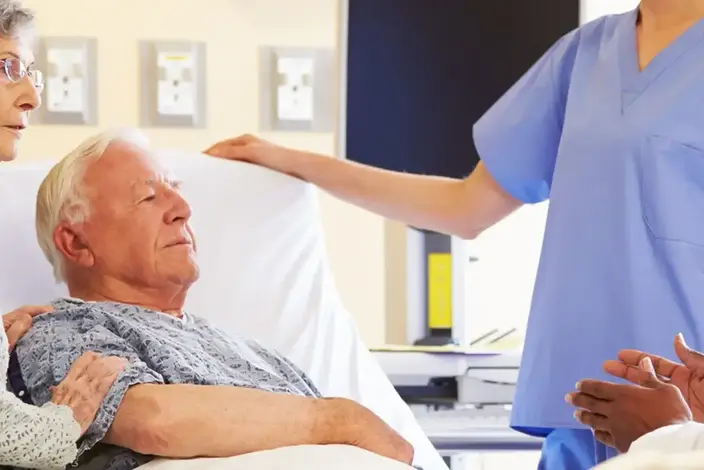
Cancer Care
Compassionate cancer care services: prevention, diagnostics, treatment, and rehabilitation. Find hope and comfort at United Regional Health Care System.
MRI
An MRI is a safe, painless procedure that uses no ionizing radiation. At United Regional, our advanced MRI technology and expert staff deliver clear, detailed images of internal organs and tissues.
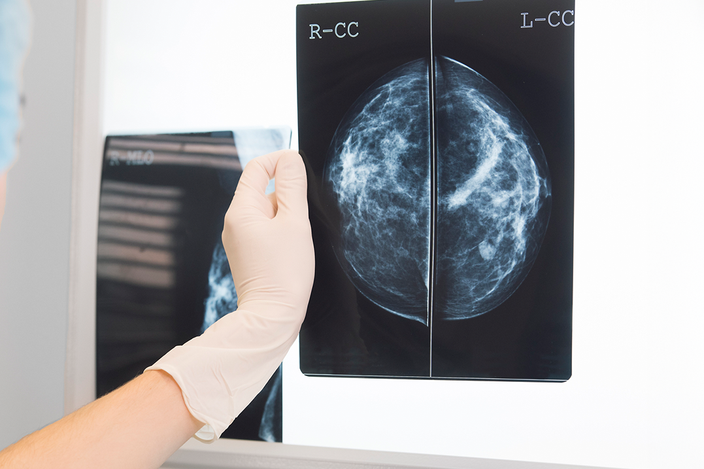
Mammography
United Regional offers advanced breast imaging services — including 3D digital mammography, ultrasound, MRI, and biopsy procedures — to support early detection and personalized treatment planning.